Flat Removals in Canary Wharf
Moving home or office in Canary Wharf can feel exciting, but it can also be stressful if the logistics are not planned properly. Whether you are relocating from a riverside apartment, a modern high-rise, a managed development, or a nearby Docklands property, a well-organised removals service can make the entire process smoother, safer, and far less disruptive. Flat removals in Canary Wharf are often more complex than a standard house move because of lift access, concierge rules, loading restrictions, busy roads, and limited parking. That is why choosing a local team that understands the area really matters.
From studio apartments and family flats to executive rentals and furnished corporate homes, every move needs careful handling. You may need help with packing, dismantling furniture, carrying items through narrow communal areas, or timing the move around building requirements. A reliable Canary Wharf flat removal service should be designed around those local realities, helping you move with less stress and better control from the first box to the last item placed in your new property.
If you are planning a move in or out of the area, or you simply want a dependable team for a same-day or scheduled relocation, this page explains what to expect, what is included, how pricing is usually affected, and why local knowledge can save time and hassle. Contact us today to request a quote or to discuss the practical details of your move.
Why flat removals in Canary Wharf need a specialist approach
Canary Wharf is one of London’s most distinctive residential and commercial districts. It is known for its high-rise apartment buildings, secured developments, mixed-use towers, corporate leases, and modern apartment blocks with managed entry systems. These features are part of what makes the area attractive, but they also create a very specific set of challenges on moving day. A specialist in flat removals Canary Wharf understands how to work around concierge desks, loading bays, restricted lifts, and building management procedures without causing unnecessary delays.
Local moves in the area often involve tight timetables. Building managers may require advance booking for lifts or loading access, while some developments restrict moving hours to quieter periods. Streets around the Isle of Dogs, South Quay, Poplar, and nearby Docklands routes can also become busy quickly, which means timing matters. A team that knows the local road network and parking conditions can plan more efficiently and reduce the chances of last-minute problems.
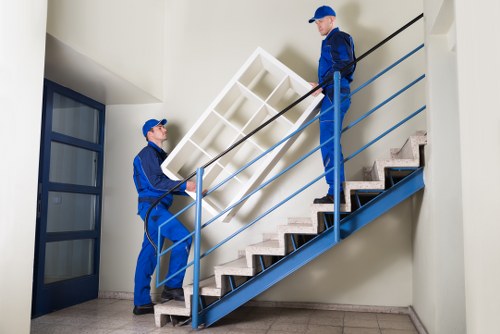
There is also the matter of access. Many flats in the area are on upper floors, and some properties have long internal corridors, shared entrances, or limited service lifts. Moving sofas, wardrobes, appliances, and fragile items through these spaces needs care and technique. A proper flat removals service should have the equipment, manpower, and moving method to handle awkward items safely while protecting both your belongings and the building itself.
What is included in a flat removals service

Every move is different, but a professional flat removals in Canary Wharf service usually covers the practical steps needed to transport your belongings efficiently. Depending on your requirements, support may range from a simple loading and transport service to a full relocation package that includes packing, dismantling, and reassembly. The aim is to make the move easier while keeping your possessions secure throughout the journey.
Common inclusions may involve the following:
- Pre-move planning to understand access, timing, and property requirements
- Packing support for fragile or difficult items
- Furniture disassembly and reassembly where needed
- Loading and unloading with care and organisation
- Transport in a suitable vehicle for flat moves and apartment access
- Protection for key items such as mattresses, mirrors, and delicate furniture
- Placement in rooms so that boxes and furniture go where they are needed
Some customers only need help with the heavy lifting, especially if they have already packed their belongings. Others prefer a more complete service because they are moving around work commitments, family schedules, or building access restrictions. A good removals team should be flexible enough to support either approach and tailor the service to the property and the move date.
Moving from a Canary Wharf flat: common property types and local realities

Canary Wharf has a broad mix of residential properties, and each type of flat creates different moving requirements. A one-bedroom apartment in a tower block will not present the same challenges as a larger duplex, penthouse, or furnished rental with shared access and strict moving rules. That is why experience with local flats is so valuable. It allows the removals team to prepare correctly before the move starts.
Many properties in and around Canary Wharf sit within managed developments where building etiquette matters. For example, you may need to provide lift reservations, confirm move-in and move-out windows, or check whether protective floor coverings are required. Some blocks have service lifts, while others rely on shared passenger lifts that must be used carefully to avoid delays for neighbours. The right team will respect those conditions and work efficiently within them.
Local road conditions also matter. Even a relatively short move can become complicated if loading access is limited or if parking is difficult to secure. Areas such as Limehouse, Blackwall, Poplar, Millwall, and the Isle of Dogs can all present different access patterns. Working with a local company means you get a team that is already used to these routes, buildings, and timing issues, which can make the day feel far more manageable.
Who benefits from flat removals in Canary Wharf?
Flat removals in Canary Wharf are useful for a wide range of customers, not just homeowners. The area serves busy professionals, families, students, landlords, tenants, and business clients who may need to move household contents or office-style equipment between buildings. Because the district includes both residential and commercial environments, a flexible service can support different needs without forcing customers into a one-size-fits-all approach.
Typical customers include:
- Tenants moving in or out of rented apartments
- Homeowners relocating to a larger or smaller flat
- Landlords arranging moves between tenancies
- Corporate tenants with furnished apartments or staff accommodation
- People downsizing and needing help with heavier furniture
- Busy professionals who need a carefully timed, efficient move
If you are moving between Canary Wharf and nearby districts such as Poplar, Bow, Limehouse, Wapping, Greenwich, or Stratford, a local removals team can help make the transition easier. The same applies if you are moving within the area itself, where lifts, loading bays, and concierge coordination can be just as important as the journey distance.
How the moving process usually works

For most customers, the removals process starts with a conversation about your property, your inventory, and your preferred moving date. This helps the team understand whether the move is a small flat relocation, a larger apartment move, or a more involved transfer with dismantled furniture and fragile items. It is also the stage where access details can be discussed, including lift availability, parking arrangements, and any building rules that may affect the schedule.
Once the move is planned, the team can prepare the right vehicle, equipment, and number of movers. On moving day, the aim is to work in a logical sequence: protect the property, carry items safely, load efficiently, and transport everything to the destination without unnecessary handling. If packing or dismantling is part of the service, that will usually be completed before loading begins, so the process remains organised.
At the new property, items are unloaded carefully and positioned where requested. This is especially useful in flats, where space can be limited and it is easier to place boxes and furniture in the correct room from the start. A good team will be prepared to work around building access, stairwells, lift timings, and any instructions from on-site staff, keeping the move practical and controlled from beginning to end.
Preparation checklist for a smoother move

Good preparation can make a big difference to any flat move. Even if you have booked professional help, there are still a few practical things you can do to reduce stress and speed up the process. Small steps in advance can save time on the day and help the moving team focus on the heavier work.
Here is a helpful preparation checklist:
- Confirm your moving date with your building manager or landlord if required
- Book lift access or loading slots where the development requires it
- Sort belongings into keep, donate, recycle, or discard groups
- Pack essential items separately for easy access on arrival
- Label boxes clearly by room and priority
- Defrost and empty fridges or freezers in advance if they are being moved
- Measure larger furniture and check it will fit through doors, hallways, and lifts
- Reserve parking or loading arrangements if your building or street requires it
- Keep important documents, keys, and valuables with you rather than in the van
When these steps are completed early, your removals day becomes much more predictable. If you are not sure what your building requires, a local team can often help you think through the practical steps before the move begins.
Packing, protection, and handling fragile items
Packing is one of the biggest factors in how smoothly a flat move goes. A well-packed box is easier to carry, stack, and unload safely. Fragile items such as glassware, mirrors, artwork, lamps, electronics, and decorative pieces need special care. The same is true for items with unusual shapes or valuable finishes. Proper wrapping and labelling help protect them during loading, transport, and unloading.
Many customers in Canary Wharf live in stylish furnished or semi-furnished apartments with modern furniture and finishes that need extra attention. Scratched floors, marked walls, or damaged corners can be frustrating in a managed building, especially if you are a tenant trying to leave the property in good condition. That is why removal teams should take a careful, methodical approach using suitable protection and lifting techniques.
Useful packing materials and handling methods may include:
- Sturdy boxes in different sizes
- Wardrobe boxes for hanging clothing
- Bubble wrap or paper wrapping for delicate items
- Protective covers for mattresses and sofas
- Blankets or wraps for furniture protection
- Clearly marked labels for easy room placement
For customers who do not want to pack everything themselves, a tailored packing service can save time and reduce the risk of damage. It can also be helpful for anyone moving on a tight schedule or juggling work and family commitments.
Pricing factors for flat removals in Canary Wharf
Customers often want to know what influences the cost of a flat move. While exact prices depend on the details of the job, several common factors usually shape the quote. Understanding these points can help you compare services more sensibly and avoid surprises later on.
Typical pricing factors include:
- Size of the property and volume of belongings
- Access conditions such as stairs, lifts, or long walking distances
- Distance between properties
- Number of movers needed
- Whether packing is included
- Furniture dismantling or reassembly
- Parking or waiting challenges
- Special handling requirements for fragile or bulky items
Canary Wharf moves can sometimes take extra planning because of building procedures or access restrictions, but that does not mean the process has to be complicated. A clear, well-prepared quote should reflect the real conditions of your move rather than relying on vague assumptions. If you are requesting a quote, be ready to describe your property type, floor level, lift access, and any unusual items such as large wardrobes, mirrors, exercise equipment, or appliances.
Why choose a local removals company
Choosing a local team for flat removals in Canary Wharf has practical advantages that go beyond convenience. A company familiar with the area will usually understand the pattern of local traffic, the layout of nearby developments, and the importance of managing access carefully. That local familiarity can help with timing, planning, and problem solving on the day.
There are also benefits when it comes to communication and flexibility. If your building changes the move-in slot, if the lift is unavailable for a period, or if you need to adjust the arrival time slightly, a local team is more likely to respond quickly and adapt. That can make a real difference in a busy district where schedules are often tight.
Other reasons customers often prefer a local service include:
- Better understanding of high-rise access issues
- Experience with managed apartments and concierge arrangements
- Awareness of nearby parking and loading constraints
- More practical route planning for local journeys
- Support for both small flat moves and larger apartment relocations
Book your service now if you want a team that understands the area and can handle your move with less stress.
Residential and commercial moves in the same district
Flexible support for homes and business-related relocations
Canary Wharf is not only a residential area. It is also a major business district, and that means some customers need a removals team that can support both home and work-related moves. You may be moving out of a flat after a job change, relocating a staff apartment, or transferring household items from a corporate let. In other cases, the move may involve equipment, filing cabinets, or other items that need safe handling alongside domestic furniture.
A versatile removals service should be able to cope with this mix of needs. The team should be able to move boxes, household contents, furniture, and selected office-style items in an orderly way while respecting building rules and time constraints. This is especially helpful for people who split their time between work commitments and personal relocation tasks, because it reduces the number of moving parts they need to manage themselves.
If your situation is slightly more involved than a standard apartment move, it is worth explaining that early on. A clear understanding of the load, destination, and access conditions allows the team to prepare the right approach from the outset.
Areas covered around Canary Wharf
Local customers often move not only within Canary Wharf itself but also between neighbouring districts that are part of the wider Docklands and East London area. A removals team serving the locality should be comfortable working across nearby streets, estates, and apartment developments, as well as handling short-distance and cross-city moves.
Areas commonly covered may include:
- Isle of Dogs
- South Quay
- Poplar
- Blackwall
- Limehouse
- Millwall
- Wapping
- Bromley-by-Bow
- Bow
- Stratford
- Greenwich
Whether you are moving between nearby flats or heading further across London, using a local removals team helps with route planning and access management. That is especially useful when moving from a busy apartment building into another managed development with different loading requirements.
What to ask before you book
If you are arranging a flat move, asking the right questions can help you choose the right service and avoid misunderstandings. You do not need to know every detail before you enquire, but it helps to have a basic idea of what your move involves. The more precise your information, the easier it becomes to plan the right level of support.
Useful questions to ask include:
- Can the service handle lift-only or high-floor access?
- Do you offer packing and unpacking support?
- Can furniture be dismantled and reassembled?
- How should I prepare if my building has loading restrictions?
- What details do you need for a quote?
- Can the move be arranged around my building’s time slot?
- Do you help with fragile or awkward items?
Asking these questions in advance can save time later and gives you a clearer idea of how the move will be carried out. It also helps you compare services on practical grounds rather than just assuming that every removals company works in the same way.
Frequently asked questions
How far in advance should I book?
It is sensible to book as early as possible, especially if your move needs to fit around building access, lift reservations, or a busy period such as a weekend or month-end. That said, short-notice moves may still be possible depending on availability.
Do you move items from upper-floor flats?
Yes, flat removals often involve upper-floor apartments, and a suitable team should be prepared for stairs, lifts, and managed access arrangements. Make sure the property details are shared in advance so the move can be planned correctly.
Can you help with packing as well as transport?
Many customers prefer to combine packing and removals into one service. This can be especially useful if you are busy, have fragile items, or want a faster and more organised moving day.
What if my building has strict moving rules?
That is common in Canary Wharf and nearby developments. A local removals company should be used to working with building managers, concierge desks, and lift booking systems. Always share any instructions you have received before moving day.
Do you move both small and large flats?
Yes, from compact studios to larger family apartments, the service can be adapted to suit the amount of furniture and the level of access involved. The move plan should reflect the actual property rather than a standard template.
Can you help if I am moving to a nearby area?
Absolutely. Many Canary Wharf customers move to or from places such as Poplar, Limehouse, Bow, Stratford, Greenwich, or other parts of East and South East London. Short local moves can still need professional planning, especially when flats and parking are involved.
Ready to arrange your flat move?
If you are planning a relocation and want a practical, local service that understands the demands of apartment moving, flat removals in Canary Wharf can be arranged to suit your schedule and property access. Whether you need help with a small move or a more involved flat relocation, the right team will make the process easier from the start.
Take the next step by requesting a quote, explaining your building conditions, and sharing the size of your move. A clear discussion upfront helps set expectations and makes moving day more straightforward. Contact us today to request a free quote, discuss your requirements, or book your service now.
For a smoother move in Canary Wharf, choose a team that understands flats, access, timing, and the realities of local apartment living.